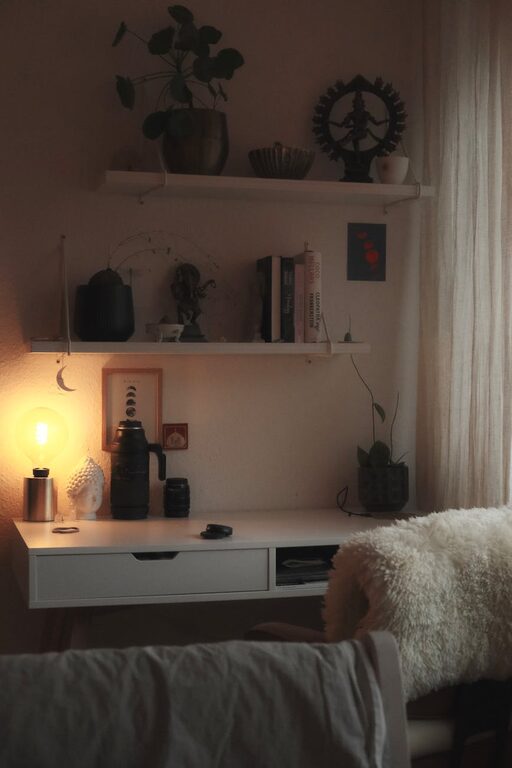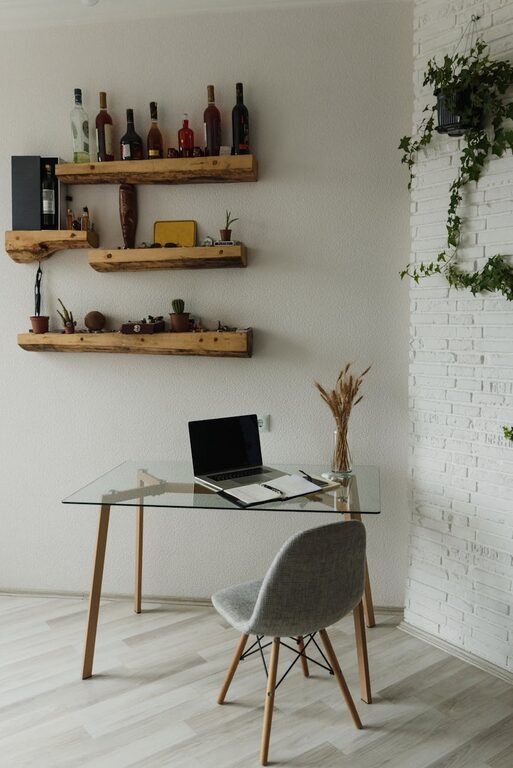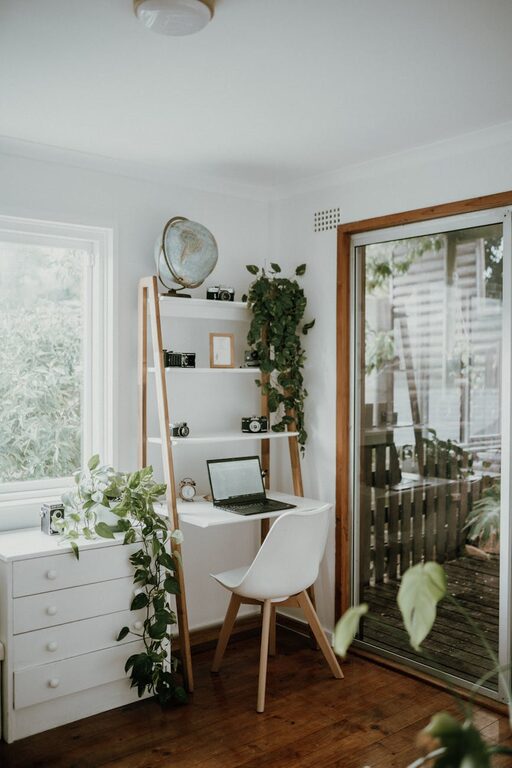
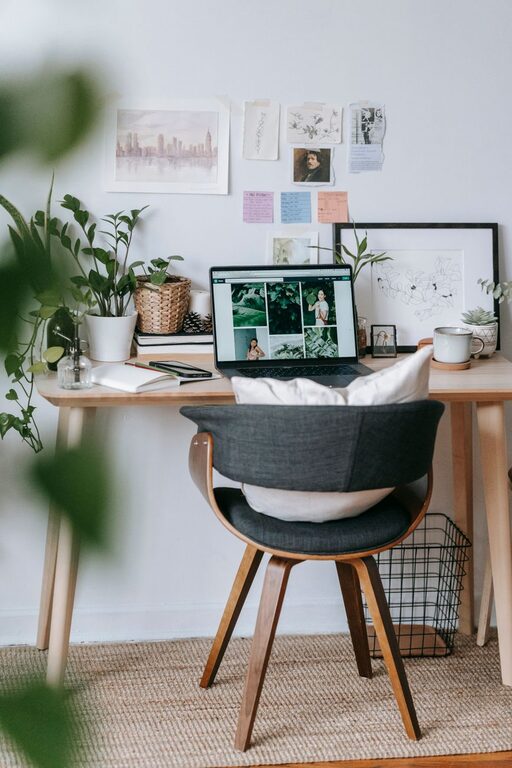
Creating a home office that feels both cozy and productive can greatly improve your work experience. Whether you’re working remotely full-time or just occasionally, a well-designed workspace helps you stay focused while keeping you comfortable and motivated. Here are practical tips to help you build a home office that balances comfort with efficiency.
Choose the Right Location
Selecting the best spot for your home office is the first step. Ideally, pick a quiet area with minimal distractions, good natural light, and enough space to accommodate your work essentials.
– Avoid high-traffic zones: Set up your desk in a calm corner away from noisy areas.
– Natural light: Position your desk near a window to enjoy daylight, which can boost mood and focus.
– Consider privacy: If possible, use a separate room or create a nook using room dividers to mark your workspace.
Invest in Ergonomic Furniture
Comfort is key to staying productive for long hours. Ergonomic furniture supports good posture and reduces strain.
– Quality chair: Choose a chair with adjustable height, lumbar support, and cushioning.
– Desk height: Your desk should allow your elbows to rest at a 90-degree angle when typing.
– Footrest: If needed, use a footrest to keep your feet flat and maintain circulation.
Organize with Smart Storage Solutions
Clutter can distract and slow you down. Keeping your workspace tidy helps you find what you need quickly and keeps your mind clear.
– Shelves and cabinets: Use vertical storage to free up desk space.
– Desk organizers: Keep pens, papers, and small tools neatly in trays or holders.
– Cable management: Use clips or sleeves to avoid tangled cords.
Personalize Your Space
Adding personal touches can make your office feel welcoming and uniquely yours.
– Decor: Include artwork, plants, or photos that inspire you.
– Colors: Choose calming colors like blues or greens, or energizing hues like yellow, depending on your preference.
– Comfort items: A soft throw blanket, a warm rug, or cushions can enhance comfort.
Optimize Lighting
Proper lighting reduces eye strain and creates a pleasant atmosphere.
– Task lighting: Use adjustable desk lamps for focused work.
– Ambient lighting: Combine natural light with ceiling or floor lamps for balanced illumination.
– Avoid glare: Position your screen perpendicular to windows to reduce reflections.
Set Boundaries and Routines
Maintaining a separation between work and home life helps boost productivity.
– Designate work hours: Stick to a schedule as if you were at an office.
– Use visual cues: Closing the door or arranging your workspace signals work time.
– Take breaks: Step away regularly to stretch and refresh your mind.
Incorporate Technology Wisely
Technology can make work easier but also overwhelming if unmanaged.
– Reliable equipment: Invest in a good computer, headset, and fast internet.
– Minimize distractions: Use apps or settings to block notifications during focus periods.
– Backup plans: Have a way to save work and recover files securely.
Keep Air Quality and Temperature Comfortable
Your environment affects energy and concentration.
– Ventilation: Open windows when possible or use an air purifier.
– Temperature control: Adjust heating or cooling to maintain a pleasant temperature.
– Add plants: Indoor plants improve air quality and create a calming atmosphere.
Final Thoughts
Building a cozy and productive home office is about balancing comfort with function. By choosing the right location, investing in ergonomic furniture, organizing thoughtfully, and personalizing your space, you’ll create an environment that supports focus and well-being. Small adjustments like lighting, routines, and air quality can make a big difference in how you feel throughout the workday. Use these tips to design a home office where you enjoy working every day.
About the Author