Creating a relaxing home workspace can significantly enhance your productivity and overall well-being. When your work environment feels calm and inviting, it’s easier to focus, manage stress, and stay motivated throughout the day. Whether you’re new to working from home or simply want to refresh your current setup, these tips will help you design a space that supports both relaxation and productivity.
Choose the Right Location
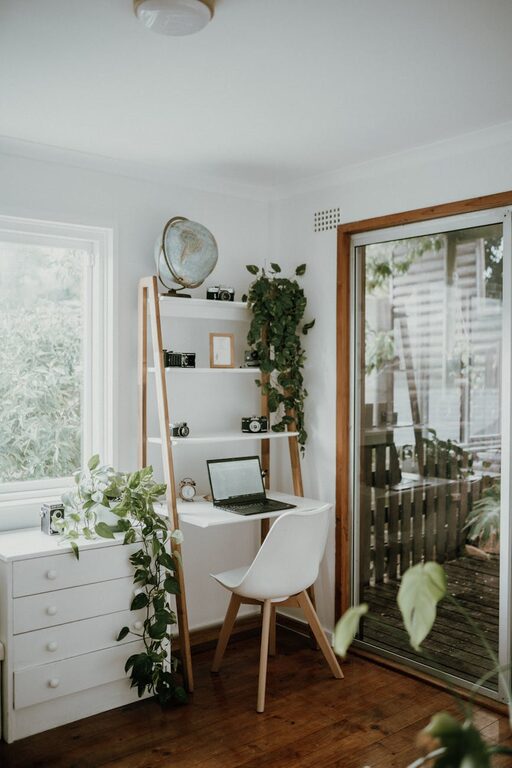
Selecting the right spot in your home for your workspace is crucial. Ideally, this area should be quiet and free from distractions. If possible, choose a separate room or a corner with a door you can close. Natural light is a big plus—it boosts mood and alertness—so try to position your desk near a window. If natural light isn’t an option, invest in good quality artificial lighting that mimics daylight.
Invest in Comfortable Furniture
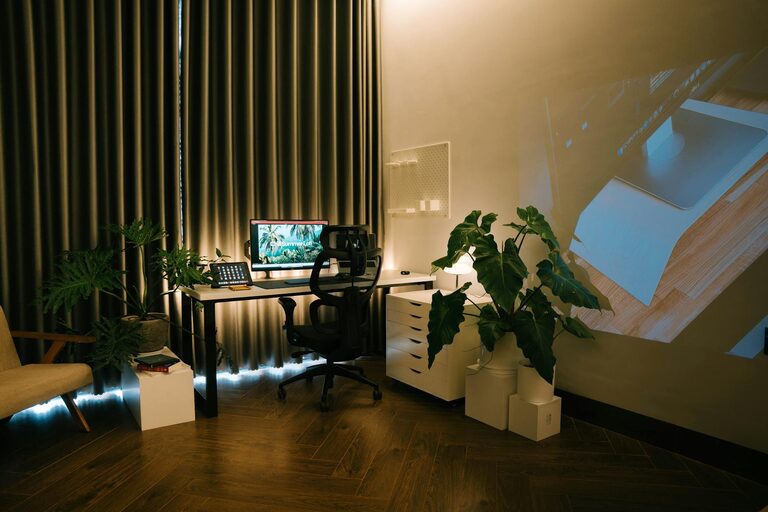
Comfort is key to maintaining focus for long periods. Invest in a good ergonomic chair that supports your back and encourages proper posture. Pair it with a desk at the right height to avoid strain on your wrists and shoulders. Consider accessories like a footrest or adjustable monitor stand to further improve comfort.
Keep It Organized and Clutter-Free
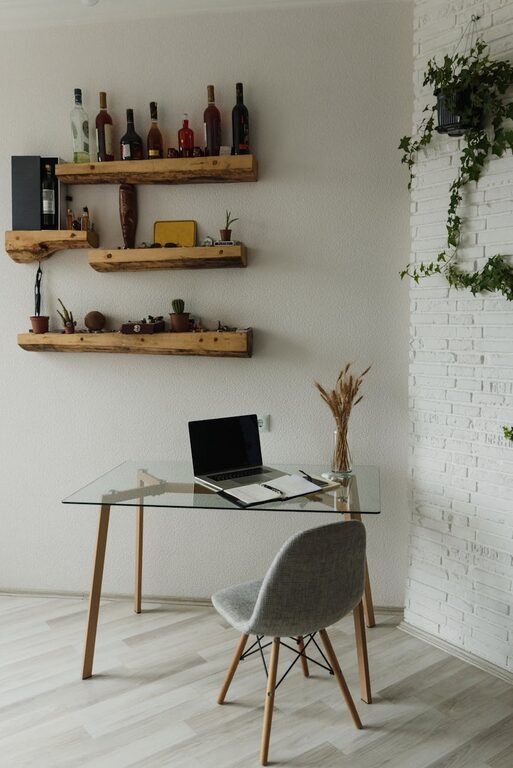
A cluttered space can make your mind feel cluttered, too. Use storage solutions such as shelves, drawers, or baskets to keep supplies organized and out of sight when not in use. Only keep essential items on your desk to maintain a clean and inviting workspace.
– Use cable organizers to manage cords.
– Label storage boxes or files for easy access.
– Digitize documents to reduce paper clutter.
Personalize Your Space Thoughtfully
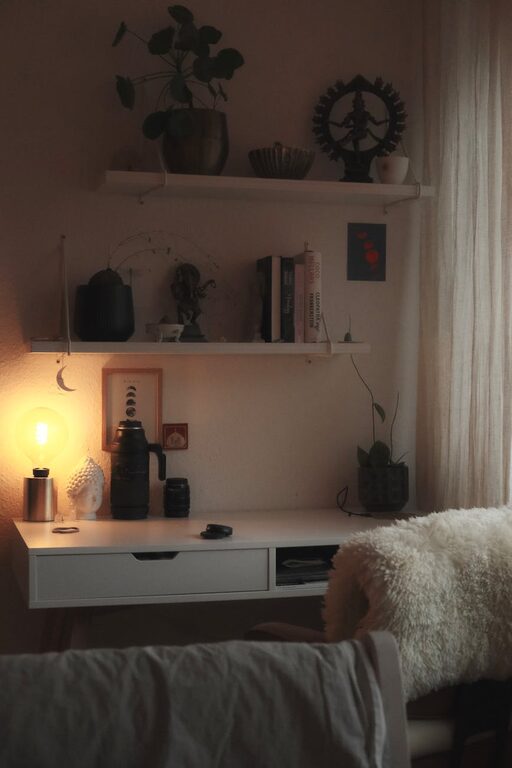
Adding personal touches to your workspace can make it feel more welcoming and inspiring, but avoid going overboard. Choose a few meaningful items like photos, artwork, or plants that uplift your mood.
Benefits of Indoor Plants
Plants are great for creating a relaxing atmosphere. They improve air quality, reduce stress, and add a touch of nature indoors. Consider easy-care plants like snake plants, pothos, or succulents if you’re new to gardening.
Create a Soothing Color Scheme
Colors affect our emotions and productivity. Soft, muted tones like light blues, greens, or neutrals create a calming environment. Avoid overly bright or distracting colors in your main workspace area. If you want a pop of color, add it through accessories or artwork.
Establish Clear Boundaries
One challenge of working from home is separating work time from personal time. Set boundaries by defining your work hours and sticking to them. Communicate your schedule to others in your household to minimize interruptions during work hours.
Tips for Boundaries:
– Use a dedicated workspace to “leave work” at the end of the day.
– Turn off work notifications outside your set hours.
– Use headphones to signal focus time.
Incorporate Relaxation Techniques
Your workspace should also encourage moments of relaxation to help you recharge.
– Keep a small essential oil diffuser or scented candle with calming scents like lavender or eucalyptus.
– Practice brief stretching or mindfulness breaks during your workday.
– Consider a comfortable chair or cushion nearby for short breaks.
Optimize Technology and Tools
Ensure your technology supports your workflow without causing frustration. Invest in a reliable internet connection and use tools like noise-cancelling headphones if needed. Organize your digital workspace by minimizing unnecessary tabs, using productivity apps, and scheduling breaks with timers.
Pay Attention to Air Quality and Temperature
A comfortable temperature and good air quality improve focus and comfort. Open windows when possible for fresh air, use a fan or heater to control temperature, and consider an air purifier if your environment tends to be dusty or stuffy.
Final Thoughts
Designing a relaxing home workspace takes a bit of planning, but the benefits are well worth it. By choosing the right location, investing in comfort, staying organized, and adding calming personal touches, you create an environment that supports both focus and well-being. Remember, small changes can make a big difference in how you feel and perform each day. Enjoy creating a workspace that works for you!
About the Author